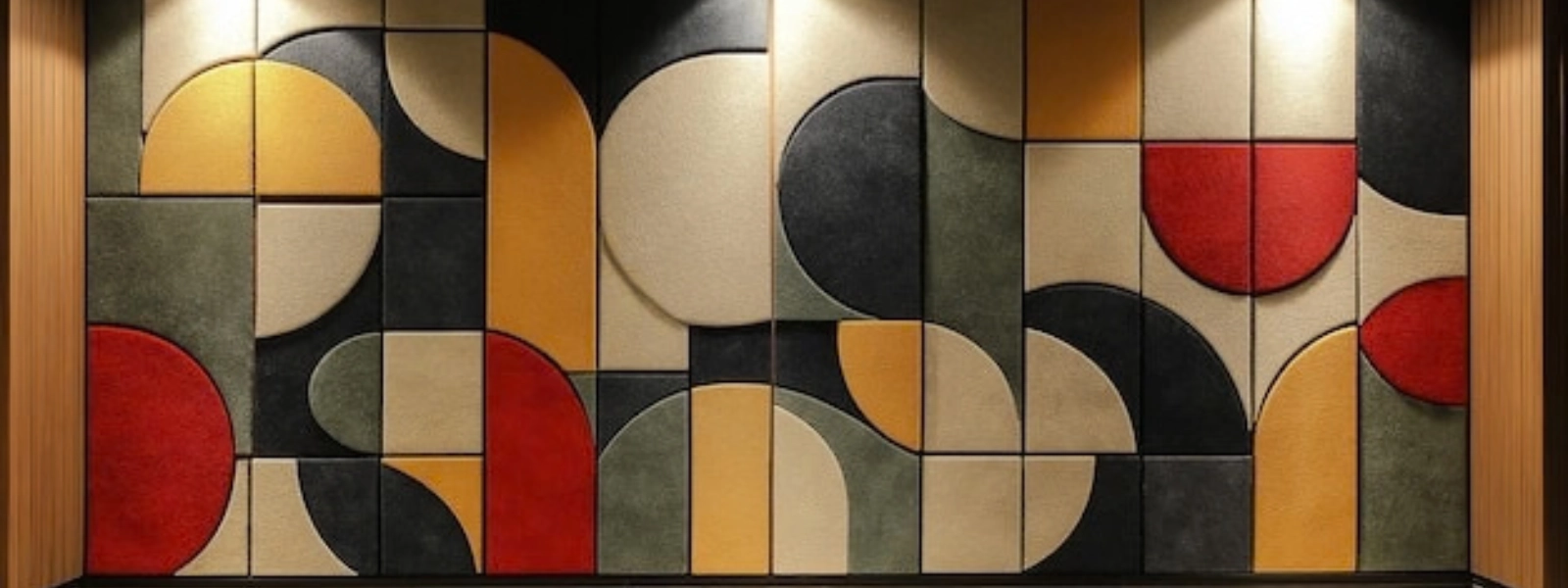
Modern offices support teamwork and communication, but open layouts can also create unwanted noise. Conversations, meetings, phone calls, and office equipment can make it harder to focus and communicate clearly.
Acoustic panels help absorb sound and reduce reflections, creating a more comfortable and controlled workplace. In this guide, we explore how acoustic panels work, where to use them, and how they can improve office comfort.
What’s Included in This Article
- What acoustic panels are
- Why office noise can become a problem
- How acoustic panels help reduce noise
- Where to use acoustic panels in an office
- Different acoustic solutions for modern workplaces
- How acoustic panels improve workplace comfort
- Tips for planning an acoustic office
- Frequently asked questions
What Are Acoustic Panels?
Acoustic panels are products designed to absorb sound within an indoor space. They are often made from materials that can absorb some of the sound energy that would otherwise reflect from hard surfaces.
This can help reduce excessive reverberation and make a room sound more controlled.
Acoustic panels are available in different shapes, sizes, materials, colours, and designs. They can be installed on walls or ceilings, or used as freestanding screens and room dividers.
This makes them suitable for different types of offices and interior styles.
It is important to note that acoustic panels are not the same as soundproofing. Acoustic treatment helps manage sound within a room, while soundproofing is focused on reducing the transfer of sound between spaces.
Why Is Office Noise a Problem?
Some level of workplace noise is normal. In fact, communication and collaboration are important parts of many offices.
The problem occurs when noise becomes excessive or difficult to control.
In an open office, employees may hear several conversations at the same time. Phone calls, meetings, printers, doors, and movement can add to the background noise.
When sound reflects from hard surfaces such as glass, concrete, tiles, and other materials, it can also create more reverberation.
This can make conversations less clear and make the office feel louder than it actually is.
A well-planned acoustic environment can help businesses create different areas for collaboration, communication, and focused work.
How Do Acoustic Panels Reduce Office Noise?
Acoustic panels work mainly by absorbing sound reflections.
Without acoustic treatment, sound can travel across a room and reflect from walls, ceilings, and other hard surfaces. These reflections can contribute to echo and reverberation.
When acoustic panels are placed in suitable areas, their sound-absorbing materials can help reduce some of these reflections.
This can result in:
- Less echo and reverberation
- Better speech clarity
- A more controlled sound environment
- Greater comfort in busy office areas
- More suitable spaces for focused work and meetings
The effectiveness of an acoustic solution depends on the room, materials, panel design, coverage, and placement. This is why acoustic planning should be based on the specific needs of the workplace.
Where Can Acoustic Panels Be Used?
Acoustic panels can be useful in many areas of a modern office.
Open-Plan Workspaces
Open-plan offices can benefit from acoustic treatment because several employees may be working in the same area.
Wall panels, ceiling solutions, and acoustic screens can help manage sound while allowing the open layout to remain flexible.
Acoustic screens can also provide some separation between desks without creating permanent walls.
Meeting Rooms
Meetings require clear communication. Echo and excessive sound reflections can make conversations less comfortable, particularly in rooms with glass walls, hard floors, and other reflective surfaces.
Acoustic panels can help create a more controlled environment for face-to-face and hybrid meetings.
Reception Areas
Reception areas can become busy when employees, clients, and visitors enter and leave the office.
Acoustic treatment can help manage sound in these areas while also becoming part of the interior design.
Decorative acoustic panels can provide a practical solution without making the reception area look overly technical.
Breakout and Collaboration Areas
Collaboration areas are designed for conversation, but they can also create noise that spreads into nearby workspaces.
Acoustic panels and screens can help define these areas and reduce some of the sound reaching surrounding spaces.
Private Offices
Even smaller private offices can benefit from acoustic treatment, particularly when employees regularly make calls or attend online meetings.
A more controlled acoustic environment can make conversations easier to manage and provide a more comfortable space for focused tasks.
Acoustic Panels and Office Furniture
Acoustic treatment works best when it is considered alongside the wider office layout.
Office furniture can influence how sound moves around a space. Desks, workstations, partitions, seating, and storage all form part of the overall environment.
For example, acoustic screens between workstations can provide a degree of visual and acoustic separation. Meeting areas can also combine acoustic panels with suitable tables and seating to create a dedicated collaboration space.
This approach allows businesses to consider sound, privacy, comfort, and functionality at the same time.
Acoustic Panels Can Support Different Work Styles
Not every employee needs the same type of working environment. Some tasks require concentration, while others involve discussion and teamwork. A modern office should be able to support both.
Acoustic solutions can help businesses create different zones within the same workplace.
For example, an office could include:
- Quieter areas for focused work
- Open areas for collaboration
- Meeting rooms for group discussions
- Acoustic booths for calls
- Breakout areas for informal conversations
This can help employees choose an environment that matches the task they are completing.
Choosing the Right Acoustic Solution
There is no single acoustic solution that works for every office.
Before choosing panels, consider:
The size of the space: Larger areas may need a different approach from small rooms.
The main source of noise: Identify whether the main issue is conversations, echo, equipment, meetings, or general activity.
The existing materials: Glass, concrete, tiles, and other hard surfaces can affect how sound behaves.
The office layout: Consider desks, meeting areas, walkways, and other furniture when deciding where acoustic solutions should go.
The design: Acoustic panels come in many colours, shapes, and finishes, so they can be selected to complement the office interior.
A combination of acoustic panels, screens, furniture, and good space planning may provide a more complete solution than relying on one product alone.
Common Mistakes to Avoid
Treating Acoustic Panels as Soundproofing
Acoustic panels help manage sound within a room. They should not be expected to completely block noise from another room.
Adding Panels Without Planning
Simply placing panels on a wall does not guarantee the best result. Their position and the amount of acoustic treatment needed depend on the room.
Ignoring the Ceiling
Sound can reflect from ceilings as well as walls. Ceiling acoustic solutions may be useful in larger or open-plan spaces.
Choosing Only Based on Appearance
Acoustic panels can look attractive, but their suitability should be considered alongside their acoustic purpose and the needs of the room.
Frequently Asked Questions
Do acoustic panels make an office completely quiet?
No. Acoustic panels are designed to absorb and manage sound rather than make an office completely silent. They can help reduce excessive reflections and improve the overall acoustic environment.
Are acoustic panels useful in open-plan offices?
Yes. They can be particularly useful in open-plan offices where conversations and other sounds can travel across shared work areas.
Can acoustic panels improve concentration?
A better-controlled acoustic environment can help reduce some unwanted sound and distractions. This can make an office more comfortable for tasks that require focus.
Can acoustic panels look good in a modern office?
Yes. Acoustic panels are available in many colours, shapes, textures, and finishes. They can be selected to complement office furniture and interior design.
Are acoustic panels the same as soundproofing?
No. Acoustic panels manage sound within a space, while soundproofing aims to reduce sound transmission between spaces.
Conclusion
Noise is an important consideration when designing a modern office. Open layouts and hard surfaces can allow sound to travel and create excessive echo or background noise.
Acoustic panels can help by absorbing sound reflections and creating a more controlled acoustic environment. They can be used in open-plan workspaces, meeting rooms, reception areas, breakout spaces, and private offices.
However, the best results come from looking at the whole workplace. Furniture, layout, room materials, partitions, and acoustic solutions should work together to create a comfortable and practical environment.
For businesses in Cyprus, investing in thoughtful acoustic design can help create an office that supports both collaboration and focused work.
A comfortable workplace needs more than desks and chairs. Acoustic solutions can help businesses create spaces that support concentration, communication, and collaboration.
Studio Office offers office furniture and workspace solutions designed for modern workplaces. Visit our showrooms in Nicosia, Limassol, and Larnaca to explore options for creating a more comfortable and functional office.
Key Takeaways
- Office noise can affect comfort and communication.
- Acoustic panels help absorb sound reflections within a room.
- They can reduce echo and excessive reverberation.
- Acoustic panels are useful in open offices, meeting rooms, reception areas, and breakout spaces.
- Acoustic screens can provide additional separation between work areas.
- Acoustic treatment should be planned around the office layout.
- Acoustic panels are not the same as soundproofing.
- Design and acoustic performance should both be considered when choosing a solution.