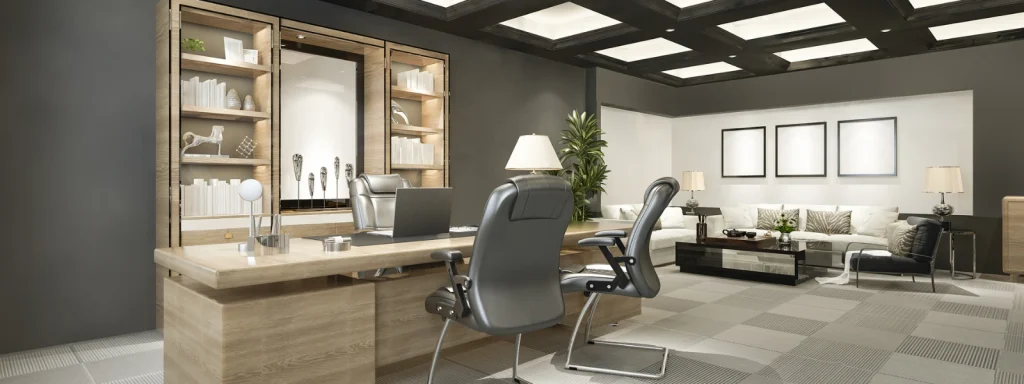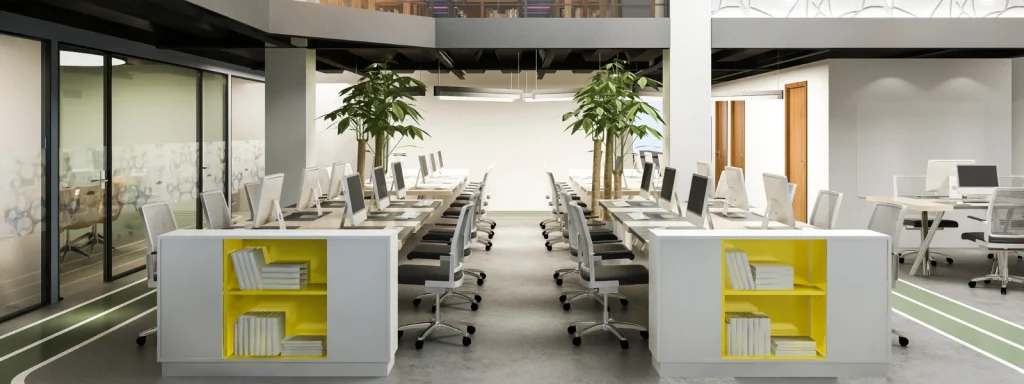
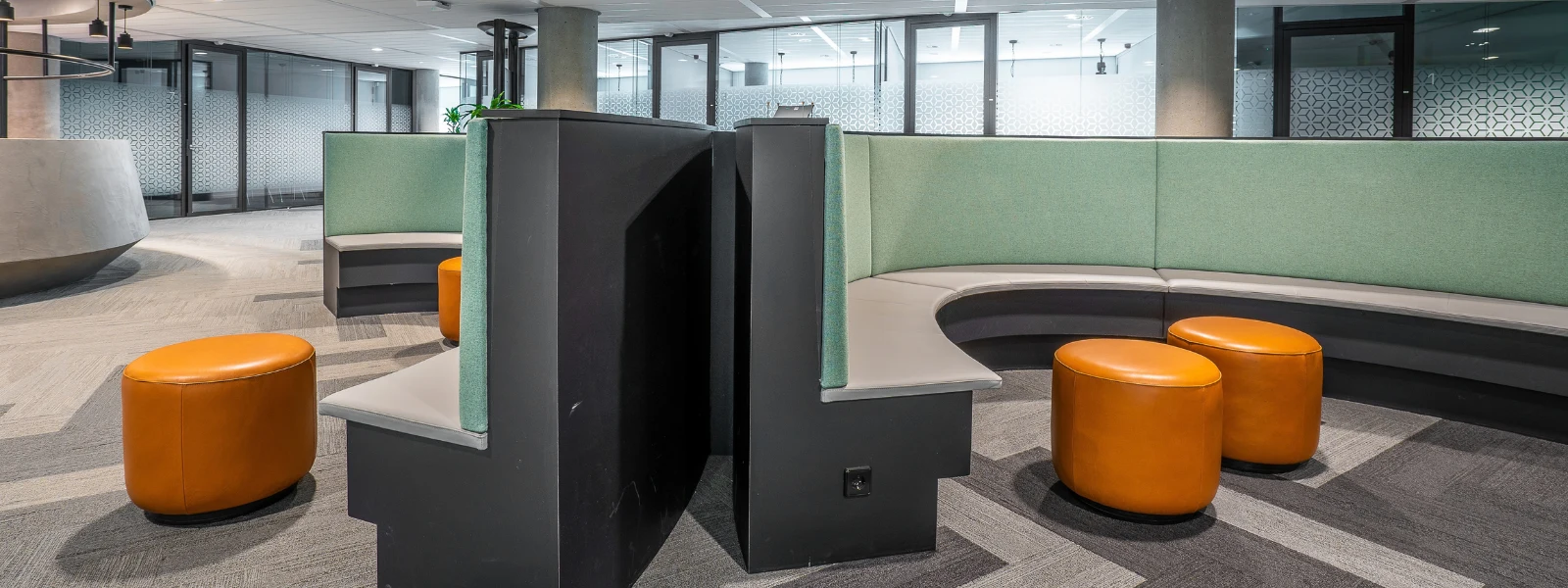
Noise is a common challenge in modern offices. Conversations, phone calls, meetings, equipment, and general movement can make a workplace feel busy and distracting.
Acoustic panels can help manage unwanted sound and create a more comfortable working environment. However, choosing the right panels is not simply about selecting a colour or design. The type, size, material, placement, and purpose of the panels should all be considered.
A large open-plan office may need a different acoustic solution from a private meeting room or reception area. The best choice depends on how the space is used and where sound problems occur.
In this guide, we explain what to consider when choosing acoustic panels for your office and how to find a solution that works with both your workplace needs and office design.
Τι περιλαμβάνεται σε αυτό το άρθρο
- What acoustic panels are
- Why acoustic panels are useful in offices
- What to consider before choosing acoustic panels
- Different types of acoustic panels
- Where to place acoustic panels
- How to match acoustic panels with office design
- Common mistakes to avoid
- Frequently asked questions
What Are Acoustic Panels?
Acoustic panels are specially designed products that help manage sound within an indoor space.
They can absorb some of the sound that would otherwise reflect from hard surfaces such as walls, ceilings, floors, and furniture. This can help reduce excessive reverberation and make conversations and other sounds easier to manage.
Acoustic panels are available in different sizes, shapes, materials, colours, and designs. This means they can be used as both a functional and visual part of an office.
They are particularly useful in spaces where hard surfaces and open layouts allow sound to travel easily.
Why Use Acoustic Panels in an Office?
A noisy workplace can make it harder for employees to focus, communicate, or hold meetings comfortably.
Acoustic panels can help create a more controlled sound environment by reducing unwanted reflections and excessive reverberation.
They can be useful in:
- Open-plan offices
- Αίθουσες συσκέψεων
- Conference rooms
- Reception areas
- Breakout spaces
- Shared workspaces
- Private offices
- Training rooms
The goal is not necessarily to make an office completely silent. Instead, acoustic design should help create a sound environment that is suitable for the activities taking place in each area.
What to Consider When Choosing Acoustic Panels
1. Identify the Main Noise Problem
Start by understanding what is causing the noise problem.
Is the office affected by conversations? Do sounds travel between workstations? Does a meeting room have too much echo? Are phone calls difficult to hear?
Different problems may require different solutions.
For example, if an open-plan office has a lot of reflected sound, wall or ceiling acoustic solutions may help control the overall sound environment.
Identifying the problem first makes it easier to choose suitable acoustic panels.
2. Consider the Size of the Room
The size and shape of the room can affect how many acoustic panels are needed and where they should be placed.
A small meeting room may require a different approach from a large open-plan workspace.
Before purchasing panels, consider the size of the room, the height of the ceiling, the number of hard surfaces, and the amount of furniture already present.
This helps create a more balanced acoustic solution instead of simply adding panels without a clear plan.
3. Look at the Materials in the Room
The existing materials in an office can affect how sound behaves.
Glass, concrete, tiles, and other hard surfaces can reflect sound. Large areas of these materials may contribute to reverberation.
Soft furniture, carpets, curtains, and other materials can also influence the acoustic environment.
Look at the room as a whole before deciding where acoustic panels should be installed. Panels should work alongside the existing furniture and finishes rather than being treated as a separate feature.
4. Choose the Right Type of Acoustic Panel
Acoustic panels come in many forms, so it is important to consider how you want them to work within the office.
Common options include:
Wall-mounted panels:
These are installed on walls and can help manage sound reflections within offices, meeting rooms, and other enclosed areas.
Ceiling acoustic panels:
These can be useful in larger spaces or rooms with limited wall space.
Acoustic screens:
Screens can be placed between desks or work areas to provide some separation while also helping with sound management.
Freestanding acoustic panels:
These can be moved or repositioned, making them useful for flexible workplaces.
Decorative acoustic panels:
These combine acoustic functionality with visual design and can become part of the office interior.
The right option depends on the layout, room function, and level of flexibility required.
5. Consider Panel Placement
Choosing good acoustic panels is only part of the process. Placement also matters.
Panels should be positioned where they can help manage sound reflections and support the needs of the room.
For example, meeting rooms may benefit from acoustic treatment on walls where sound reflects strongly. Open-plan offices may require a combination of wall, ceiling, and workstation solutions.
Avoid treating every wall in the same way. The most effective placement will depend on the room’s shape, furniture, surfaces, and main sources of sound.
For larger offices, professional planning can help determine the most suitable locations.
6. Match Acoustic Panels to Your Office Design
Acoustic products do not have to look out of place.
Modern acoustic panels are available in a wide range of colours, shapes, textures, and finishes. This makes it possible to select products that complement your existing office furniture and interior design.
For example, neutral panels can blend into a professional office, while coloured or shaped panels can create a stronger visual feature.
The best choice should balance acoustic needs with the overall appearance of the workplace.
7. Think About Flexibility
Modern offices often change over time.
Employees may move between workstations, teams may grow, and meeting spaces may need to be used for different activities.
If your office layout changes regularly, flexible acoustic solutions may be useful.
Freestanding panels and acoustic screens can be moved when the layout changes. This can make them a practical choice for offices that use modular furniture or activity-based workspaces.
8. Consider the Purpose of Each Area
Different parts of an office have different acoustic needs.
A meeting room may need to support clear conversations, while an open workspace may need to reduce distractions.
Consider the main purpose of each area before choosing acoustic products.
| Office Area | Main Consideration |
| Open-plan office | Reduce excessive background noise |
| Meeting room | Improve speech clarity and manage reflections |
| Ιδιωτικό γραφείο | Create a more comfortable working environment |
| Υποδοχή | Control sound in a busy visitor area |
| Breakout area | Manage conversations and general activity |
| Training room | Support clear communication |
This approach can help you avoid using the same acoustic solution throughout the entire office.
Acoustic Panels and Office Furniture
Acoustic panels work best when considered as part of the overall office design.
Furniture, layout, partitions, flooring, ceilings, and wall finishes all influence how sound behaves within a room.
For example, workstations with acoustic screens can provide both workspace separation and sound management. Meeting furniture can also be combined with acoustic solutions to create more comfortable collaboration areas.
This is why acoustic planning should be considered alongside office furniture planning rather than as an afterthought.
Common Mistakes to Avoid
Choosing Panels Based Only on Appearance
A panel may look attractive but may not be suitable for the acoustic needs of your room. Consider performance and purpose before appearance.
Adding Panels Without Identifying the Problem
More panels do not automatically mean better results. First identify where unwanted sound and reflections are coming from.
Ignoring the Ceiling
Walls are not the only surfaces that affect sound. Ceilings can also play an important role, particularly in larger or open-plan offices.
Forgetting the Office Layout
Acoustic panels should work with the layout rather than being added randomly. Consider desks, meeting tables, walkways, and shared areas when planning their placement.
Using the Same Solution Everywhere
A reception area, meeting room, and open-plan workspace may have very different acoustic requirements. Plan each space based on how it is used.
How to Choose Acoustic Panels for a Small Office
Small offices do not necessarily need large acoustic installations.
Start by identifying the areas where sound is most noticeable. A few well-positioned wall panels, acoustic screens, or other suitable solutions may help manage sound without taking up valuable floor space.
Freestanding products can also be useful if you want flexibility without making permanent changes to the office.
For small spaces, it is particularly important to choose solutions that provide a practical function without making the room feel crowded.
Συχνές ερωτήσεις
Are acoustic panels suitable for open-plan offices?
Yes. Acoustic panels can be used in open-plan offices to help manage sound reflections and excessive background noise. Wall panels, ceiling solutions, and acoustic screens can all be considered depending on the layout.
Where should acoustic panels be placed?
Placement depends on the room, surfaces, furniture, and source of unwanted sound. Walls and ceilings are common locations, while acoustic screens can be used between work areas.
Do acoustic panels block all noise?
No. Acoustic panels are generally used to absorb and manage sound within a space. They should not be treated as complete soundproofing solutions.
Are acoustic panels only suitable for modern offices?
No. Acoustic panels are available in many designs, colours, shapes, and finishes. They can be selected to complement traditional, modern, minimalist, or other office interiors.
Can acoustic panels be moved?
Some types, such as freestanding acoustic panels and screens, can be moved or repositioned. These can be useful in flexible offices where layouts change over time.
Συμπέρασμα
Choosing the right acoustic panels starts with understanding your office.
Consider the main noise problems, room size, existing materials, furniture layout, purpose of each area, and the level of flexibility you need. From wall-mounted panels and ceiling solutions to acoustic screens and freestanding products, there are different options for different workplaces.
It is also important to consider acoustic panels as part of the wider office design. When combined with suitable furniture and a well-planned layout, they can help create a more comfortable and functional workplace.
For businesses in Cyprus, careful acoustic planning can make a noticeable difference to how an office feels and how comfortably employees can use the space.
The right acoustic solution can help create a more comfortable and functional workplace. At Studio Office, acoustic solutions can be considered alongside office furniture and workspace planning to create an environment that suits the way your team works.
Visit our showrooms in Nicosia, Limassol, and Larnaca to explore office furniture and workspace solutions for your business.
Βασικά συμπεράσματα
- Identify the main noise problem before choosing acoustic panels.
- Consider the size and layout of the office.
- Look at existing hard and soft surfaces.
- Choose acoustic panels based on the purpose of each area.
- Consider wall, ceiling, freestanding, and screen solutions.
- Place panels carefully rather than adding them randomly.
- Choose designs that complement your office furniture and interior.
- Consider flexible acoustic solutions for offices that change over time.
- Remember that acoustic panels manage sound but are not the same as full soundproofing.